The best smart body scales provide a holistic view of your health by measuring not only weight but also various body composition metrics like body fat percentage, muscle mass, and bone mass, using Bioelectrical Impedance Analysis (BIA) technology. This data is then wirelessly transmitted to a companion app on your smartphone, offering detailed insights and historical trends that traditional scales cannot. For example, many smart scales can track up to 10 or more different metrics, including visceral fat and heart rate, helping users make informed health decisions.
Beyond the Numbers: What Exactly is a Smart Body Scale?
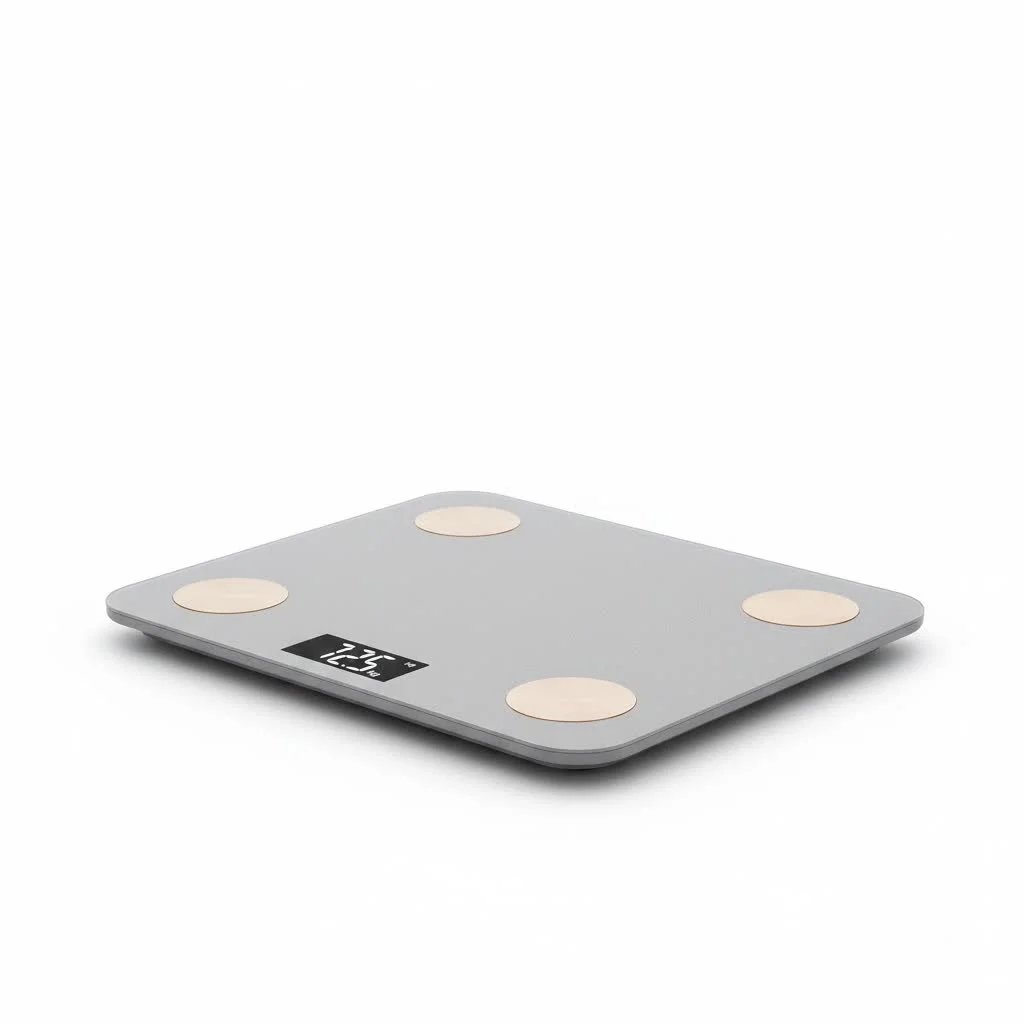
Forget the old-fashioned analog scales that only tell you your gravitational pull. A smart body scale is a sophisticated health device that uses advanced technology, primarily Bioelectrical Impedance Analysis (BIA), to measure not only your weight but also various components of your body composition. When you step on a smart scale, a safe, imperceptible electrical current is sent through your body. Different tissues (like fat, muscle, and bone) conduct electricity at different rates, allowing the scale to estimate your body’s make-up. This data is then wirelessly transmitted to a companion app on your smartphone, providing you with detailed insights and historical trends that a traditional scale simply can’t offer. For browse all smart scales articles on this site.
Why Upgrade? The Transformative Benefits of a Smart Scale
So, why should you consider investing in the best smart body scale? The advantages extend far beyond mere weight tracking, empowering you to take control of your health with data-driven confidence.
Comprehensive Health Insights
A smart scale offers a panoramic view of your body’s health, providing crucial metrics that paint a much clearer picture than just your weight. Understanding these different aspects of your body can help you tailor your fitness and nutrition plans more effectively. It’s like having a miniature health lab right in your bathroom.
Motivation and Goal Tracking
Imagine seeing your muscle mass slowly increase as your body fat percentage decreases, even if your overall weight remains stable. This kind of detailed feedback is incredibly motivating. Smart scales allow you to set specific goals – whether it’s gaining muscle, losing fat, or simply maintaining a healthy composition – and visualize your progress over weeks, months, and even years, keeping you engaged and on track.
Personalized Data Trends
The companion apps that come with the best smart body scales are often powerful tools. They not only store your data but also present it in easy-to-understand graphs and charts, highlighting trends and changes over time. This historical data is invaluable for identifying patterns, understanding how your lifestyle choices impact your body, and making necessary adjustments to achieve your wellness objectives.
Seamless Integration with Digital Health Ecosystems
|
Our Picks for the Best Smart Scale in 2026
As an Amazon Associate I earn from qualifying purchases.
|
||
| Num | Product | Action |
|---|---|---|
| 1 | Wyze Scale Ultra, Smart Scale with 4.3\" Color Display, Digital Bathroom Scale for Body Weight BMI Muscle Mass Composition, Wi-Fi & Bluetooth Body Fat Scale with Heart Rate, 400 lbs (Black) |

|
| 2 | WITHINGS Body Smart - Accurate Scale for Body Weight and Fat Percentage, Body Composition Wi-Fi and Bluetooth Weight Scale, Baby Weight Scale, Smart Scale Apple Health Compatible, Bathroom Scale |
|
| 3 | Etekcity FSA&HSA Eligible Smart Scale for Body Weight Fat, Digital Bathroom Weighing Machine for Accurate BMI Muscle Mass Composition, Home Use Apple Health Compatible Fitness Equipment |
|
| 4 | GE Smart Scale for Body Weight: 8-Electrode Digital Bathroom Scale for Weight Fat BMI Muscle Mass Full Body Composition Analyzer 27 Measurements Bluetooth Highly Accurate Weighing Machine 400lb Black |
|
| 5 | RENPHO Smart Scale for Body Weight, FSA&HSA Eligible, Digital Bathroom Scale BMI Weighing Bluetooth Body Fat Scale, Body Composition Monitor Health Analyzer with Smartphone App, 400 lbs - Elis 1 |
|
| 6 | Ovutek Smart Scale for Body Weight, Professional Bathroom Digital Scale with BMI, Body Fat, Muscle Mass, Most Accurate to 0.05lb, Large Display High Accurate Body Composition Machine with Fitness App |
|
| 7 | Alcedo Smart Body Fat Scale, Digital Scale with BMI, Fat Percentage, Muscle Mass, Color-Changing with Weight Variation, 400 lb, Bluetooth |
|
| 8 | Etekcity Smart Scale for Body Weight, FSA&HSA Eligible, Bathroom Digital Weighing Scale with BMI, Body Fat, Muscle Mass, Accurate Bluetooth Home User Health Equipment Sync Apps |
|
| 9 | Etekcity Upgraded Smart Scale for Body Weight, FSA&HSA Eligible, Bathroom Digital Scale with BMI, Body Fat, Muscle Mass, 13 Metrics with a Large Display, Support Offline Mode and Apps Connection |
|
| 10 | GE Scale for Body Weight, Body Fat, BMI, Muscle Mass, Smart Bathroom Scales with 14 Body Composition Metrics with Large Display, Accurate Bluetooth Weighing Machine with Fitness App, 400 lbs |
|
Many smart scales seamlessly integrate with popular health and fitness apps like Apple Health, Google Fit, and Fitbit. This means your body composition data can live alongside your activity levels, sleep patterns, and nutrition logs, providing a truly holistic view of your well-being in one central hub.
Decoding the Metrics: What Your Smart Scale Can Tell You
The magic of the best smart body scales lies in the array of metrics they provide. Here’s a breakdown of what these numbers mean for your health:
- Body Weight: The fundamental measurement, showing your total mass.
- BMI (Body Mass Index): A general indicator derived from your weight and height, often used to categorize weight status (underweight, normal, overweight, obese).
- Body Fat Percentage: The proportion of fat your body holds relative to your total body mass. Understanding this is key, as two people of the same weight can have vastly different body compositions.
- Muscle Mass: The total weight of muscle in your body. Higher muscle mass is generally associated with a healthier metabolism and strength.
- Bone Mass: The amount of bone tissue in your body. While it doesn’t fluctuate significantly, it’s an important health indicator.
- Water Percentage: The proportion of water in your body. Hydration levels can impact other readings, making consistency in weighing important.
- BMR (Basal Metabolic Rate): An estimate of the calories your body burns at rest to maintain basic physiological functions. This helps understand your daily energy needs.
- Visceral Fat: Fat stored around your internal organs. High levels are linked to increased health risks.
- Heart Rate: Some advanced smart scales can even measure your resting heart rate, adding another valuable cardiovascular health metric to your profile.
“Understanding your body composition metrics is like having a personalized health dashboard,” says Dr. Anya Sharma, a leading wellness expert and long-time contributor to Zhoez.com. “It moves you beyond the scale’s number to truly appreciate the intricate balance within your body, guiding more targeted and effective health interventions.”
Choosing Your Perfect Match: Key Features to Consider
With so many options on the market, finding the best smart body scale for your needs can feel daunting. Here are the essential features to evaluate:
Accuracy and Consistency
This is paramount. While home smart scales won’t match the clinical precision of a DEXA scan, the best smart body scales offer reliable and consistent readings. Look for scales with multiple sensors and good user reviews regarding accuracy. Consistency in measurements is often more important than absolute pinpoint accuracy, as it allows you to track trends effectively.
Connectivity Options: Bluetooth vs. Wi-Fi
- Bluetooth: Generally easier to set up, but requires your phone to be within range during weigh-ins for immediate data sync. Good for single users or those who don’t mind having their phone nearby.
- Wi-Fi: More convenient for families or those who want data to sync automatically without their phone present. The scale connects directly to your home network. This is often preferred for a seamless experience.
App Ecosystem & Compatibility
Ensure the smart scale’s companion app is user-friendly, provides clear data visualization, and offers features you value (e.g., goal setting, historical tracking). Crucially, check if it integrates with your existing health apps like Apple Health, Google Fit, or Fitbit for a unified health overview.
User Profiles: For the Whole Family
If multiple people will be using the scale, choose one that supports several user profiles. The best smart body scales can often intelligently recognize different users or allow you to easily switch profiles, keeping individual data separate and private.
Display & Design
A clear, backlit LED display makes reading your weight straightforward, even in low light. Consider the scale’s aesthetic – tempered glass and sleek designs can blend seamlessly into your bathroom decor.
Battery Life & Power Source
Some scales use standard replaceable batteries, while others feature rechargeable lithium-ion batteries. Consider which option offers the most convenience for your lifestyle.
Specialized Modes
Do you have unique needs? Some smart scales offer:
- Athlete Mode: Adjusts the BIA algorithm for individuals with higher muscle mass and lower body fat, who may have different hydration levels.
- Baby Mode (or Pet Mode): Allows you to weigh an infant or pet by stepping on the scale holding them, then stepping off to get their individual weight.
- Pregnancy Mode: Safely tracks weight during pregnancy without using the BIA current.
Price Point
Smart scales range from budget-friendly options under $50 to premium models costing several hundred dollars. Determine your essential features and find the best smart body scale that offers the best value within your budget.
Top Recommendations at a Glance
While specific models evolve, here are categories of the best smart body scales to consider based on common user needs:
- For the Data Enthusiast: Look for scales that offer the most extensive range of metrics, including advanced features like segmental body analysis or heart rate variability.
- For the Budget-Conscious: Many reputable brands offer excellent entry-level smart scales that cover essential body composition metrics and reliable app syncing without breaking the bank.
- For Families: Prioritize scales with easy-to-manage multiple user profiles, automatic user recognition, and robust app support for all family members.
- For Seamless App Integration: Choose scales known for their robust connectivity options (Wi-Fi is often best here) and wide compatibility with popular third-party health and fitness applications.
Maximizing Your Smart Scale Experience: Tips for Best Results
Having the best smart body scale is just the beginning. To truly harness its power, consistent and informed usage is key:
- Weigh Consistently: For the most accurate trend analysis, weigh yourself at the same time each day, ideally first thing in the morning after using the restroom and before eating or drinking.
- Understand Fluctuations: Don’t get discouraged by daily weight changes. Factors like hydration, food intake, and exercise can cause temporary shifts. Focus on long-term trends rather than daily numbers.
- Interpret Your Data: Learn what healthy ranges are for each metric and how they relate to your personal goals. Your smart scale’s app should provide explanations and insights.
- Stay Hydrated: Dehydration can affect BIA readings. Ensure you’re consistently well-hydrated.
Frequently Asked Questions
Are smart scales accurate?
Smart scales use Bioelectrical Impedance Analysis (BIA) to estimate body composition. While highly convenient for home use, their accuracy can vary based on factors like hydration, time of day, and the quality of the scale. For most people, they provide sufficiently consistent data for tracking trends over time, which is often more valuable than a single, ultra-precise reading. For medical-grade accuracy, a DEXA scan is the gold standard, but smart scales offer a practical and affordable alternative.
How often should I weigh myself?
For tracking trends and maintaining motivation, weighing yourself consistently once a day or a few times a week, at the same time and under similar conditions (e.g., morning, post-restroom, pre-food), is ideal. Focusing on weekly averages can help smooth out daily fluctuations and give a clearer picture of your progress.
Can smart scales track specific metrics like visceral fat?
Yes, many of the best smart body scales can track a wide range of metrics, including visceral fat, muscle mass, bone mass, and body water percentage, in addition to overall body fat and BMI. Always check the product specifications to confirm which specific metrics a particular scale offers.
What’s the difference between BIA and DEXA?
BIA (Bioelectrical Impedance Analysis) is the technology used in smart scales, sending a low electrical current through the body to estimate composition. DEXA (Dual-energy X-ray Absorptiometry) is a clinical imaging technique considered the most accurate method for measuring body fat, lean mass, and bone density. DEXA scans are performed by medical professionals, while BIA scales offer convenient, at-home approximations.
Is a smart scale worth it?
If you’re serious about understanding your body beyond just weight, tracking your fitness journey with detailed data, and staying motivated to achieve your health goals, then investing in the best smart body scale is absolutely worth it. It provides actionable insights that can truly improve your approach to wellness.
Your Journey to Smarter Health Starts Here
The best smart body scale is more than just a gadget; it’s a powerful ally in your health and wellness journey. By providing a deep dive into your body composition, connecting you with your data through intuitive apps, and fostering consistent progress tracking, these scales empower you to make informed decisions and truly understand what’s happening within your body. Embrace the future of personal health monitoring and take the next step towards a healthier, more informed you with a smart scale that fits your life perfectly.
Frequently Asked Questions
Are smart scales accurate for tracking body composition changes?
Smart scales use Bioelectrical Impedance Analysis (BIA) to estimate body composition. While not as precise as a DEXA scan, they offer sufficiently consistent data for tracking trends over time, which is valuable for monitoring progress. Factors like hydration and time of day can influence readings, so consistent usage is key.
How frequently should I weigh myself using a smart scale?
For optimal trend analysis and motivation, it is ideal to weigh yourself consistently once a day or a few times a week. Always do so at the same time and under similar conditions, such as first thing in the morning after using the restroom and before eating. Focusing on weekly averages helps smooth out daily fluctuations.
Can smart scales measure advanced metrics like visceral fat and heart rate?
Yes, many advanced smart body scales can track a wide range of metrics beyond basic weight, including visceral fat, muscle mass, bone mass, body water percentage, and even resting heart rate. Always check the product specifications to confirm the specific metrics offered by a particular scale model.
What is the main difference between BIA technology and a DEXA scan?
BIA (Bioelectrical Impedance Analysis) is the technology used in smart scales, which sends a low electrical current through the body to estimate composition. DEXA (Dual-energy X-ray Absorptiometry) is a clinical imaging technique considered the most accurate method for measuring body fat, lean mass, and bone density, performed by medical professionals. BIA scales offer convenient, at-home approximations.
Is investing in a smart scale a worthwhile decision for health tracking?
Yes, investing in a smart scale is worthwhile if you are serious about understanding your body beyond just weight and tracking your fitness journey with detailed data. It provides actionable insights into body composition, helps set goals, and fosters consistent progress tracking, transforming your approach to wellness.
Maximizing Your Smart Scale Experience
To get the most accurate and useful data from your smart body scale, follow these consistent usage tips.
For the most accurate trend analysis, weigh yourself at the same time each day. Ideally, do this first thing in the morning after using the restroom and before eating or drinking.
Do not get discouraged by daily weight changes, as factors like hydration, food intake, and exercise can cause temporary shifts. Focus on long-term trends rather than daily numbers for a clearer picture of progress.
Learn what healthy ranges are for each metric provided by your smart scale and how they relate to your personal goals. The scale's companion app should offer explanations and insights to help you understand your data.
Dehydration can significantly affect Bioelectrical Impedance Analysis (BIA) readings, leading to inaccurate body composition measurements. Ensure you are consistently well-hydrated to improve the reliability of your scale's data.
Smart home that does not lock you in
Free PDF — protocol compatibility matrix for 30 hubs and devices.
I’ve been using a smart scale for about six months now, and it’s been a game-changer for my fitness journey. Seeing my body fat percentage and muscle mass trends in the app really helps me stay motivated. It’s so much more insightful than just tracking weight, and the BIA technology seems pretty accurate compared to other methods I’ve tried.
I was skeptical about how much difference a smart scale could make, but I’m impressed. Being able to see my heart rate along with my weight every morning gives me a much better overall picture of my health. The companion app is user-friendly and makes it easy to track progress over time, which is exactly what I needed.
The scale itself is great for tracking all the different metrics like visceral fat and bone mass, which is super helpful. My only minor complaint is that sometimes the app takes a moment to sync the data to my phone. It’s not a deal-breaker, but it can be a little annoying when I’m in a hurry.
This scale has completely changed how I approach my health goals. I love that it tracks so many different metrics, not just weight. It’s fantastic to see the detailed insights and historical trends right on my smartphone, helping me understand what’s really going on with my body composition.