Embarking on a wellness journey often feels like navigating a complex maze, especially when it comes to tracking your progress. While the traditional bathroom scale offers a single snapshot, the evolution of smart scales has transformed how we understand our bodies. A Weight Watchers Smart Scale goes beyond a simple number, providing a comprehensive view of your health that seamlessly integrates with your efforts to live a healthier life. Here at Zhoez.com, we believe in empowering you with expert, practical knowledge, and a Weight Watchers smart scale is a powerful ally in that mission.
What Makes a Weight Watchers Smart Scale “Smart”?
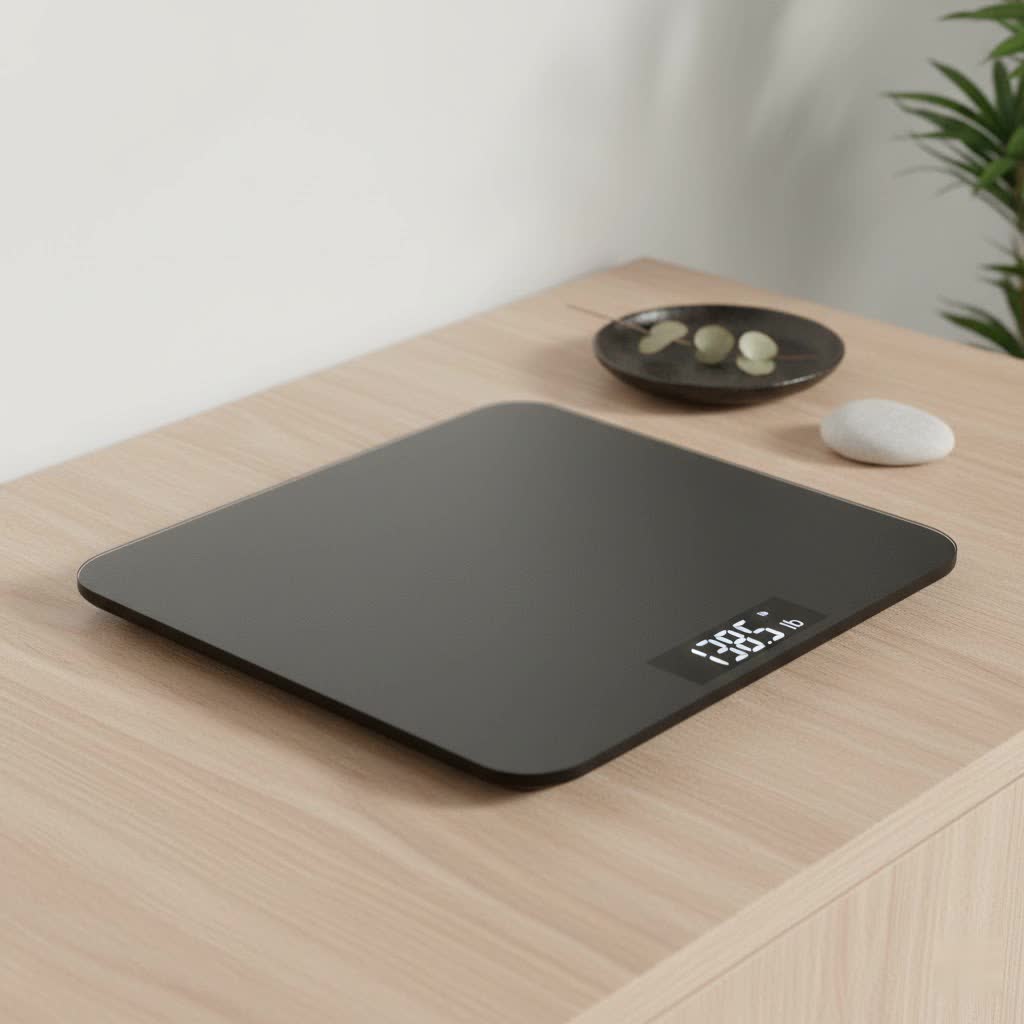
Forget everything you thought you knew about weighing yourself. A smart scale isn’t just about weight; it’s about insight. It’s like having a personal health analyst right in your bathroom, offering data that helps you make informed decisions about your diet and exercise.
Beyond Just Weight: The Power of Body Composition Analysis
At the heart of a Weight Watchers smart scale’s intelligence is its ability to measure more than just your total body weight. It delves into your body composition through a clever technology called Bioelectrical Impedance Analysis (BIA). When you step onto the scale with bare feet, a safe, very low electrical current flows through your body. Different tissues—like water, muscle, bone, and fat—conduct this current at varying speeds. By measuring this resistance, the scale can estimate several key health metrics.
These vital measurements typically include:
- Body Fat Percentage (BF%): The proportion of your total weight that is fat.
- Body Water Percentage (BW%): Your body’s hydration level.
- Muscle Mass (MM): The amount of muscle tissue in your body.
- Bone Mass (BM): An estimation of your bone tissue.
- Body Mass Index (BMI): A common indicator derived from your height and weight.
|
Our Picks for the Best Smart Scale in 2026
As an Amazon Associate I earn from qualifying purchases.
|
||
| Num | Product | Action |
|---|---|---|
| 1 | Ovutek Smart Scale for Body Weight, Professional Bathroom Digital Scale with BMI, Body Fat, Muscle Mass, Most Accurate to 0.05lb, Large Display High Accurate Body Composition Machine with Fitness App |

|
| 2 | WITHINGS Body Smart - Accurate Scale for Body Weight and Fat Percentage, Body Composition Wi-Fi and Bluetooth Weight Scale, Baby Weight Scale, Smart Scale Apple Health Compatible, Bathroom Scale |
|
| 3 | RENPHO Smart Scale for Body Weight, FSA&HSA Eligible, Digital Bathroom Scale BMI Weighing Bluetooth Body Fat Scale, Body Composition Monitor Health Analyzer with Smartphone App, 400 lbs - Elis 1 |
|
| 4 | Etekcity FSA&HSA Eligible Smart Scale for Body Weight Fat, Digital Bathroom Weighing Machine for Accurate BMI Muscle Mass Composition, Home Use Apple Health Compatible Fitness Equipment |
|
| 5 | Alcedo Smart Body Fat Scale, Digital Scale with BMI, Fat Percentage, Muscle Mass, Color-Changing with Weight Variation, 400 lb, Bluetooth |
|
| 6 | Wyze Scale Ultra, Smart Scale with 4.3\" Color Display, Digital Bathroom Scale for Body Weight BMI Muscle Mass Composition, Wi-Fi & Bluetooth Body Fat Scale with Heart Rate, 400 lbs (Black) |
|
| 7 | GE Smart Scale for Body Weight: 8-Electrode Digital Bathroom Scale for Weight Fat BMI Muscle Mass Full Body Composition Analyzer 27 Measurements Bluetooth Highly Accurate Weighing Machine 400lb Black |
|
| 8 | GE Scale for Body Weight, Body Fat, BMI, Muscle Mass, Smart Bathroom Scales with 14 Body Composition Metrics with Large Display, Accurate Bluetooth Weighing Machine with Fitness App, 400 lbs |
|
| 9 | Etekcity Smart Scale for Body Weight, FSA&HSA Eligible, Bathroom Digital Weighing Scale with BMI, Body Fat, Muscle Mass, Accurate Bluetooth Home User Health Equipment Sync Apps |
|
| 10 | Etekcity Upgraded Smart Scale for Body Weight, FSA&HSA Eligible, Bathroom Digital Scale with BMI, Body Fat, Muscle Mass, 13 Metrics with a Large Display, Support Offline Mode and Apps Connection |
|
“Understanding your body composition is far more insightful than just tracking total weight,” explains Dr. Evelyn Reed, Lead Health Technology Advisor at Zhoez.com. “It helps you see the quality of your weight loss and guides your fitness strategies effectively.”
Seamless Integration with Your Wellness Ecosystem
One of the standout features of a Weight Watchers smart scale is its ability to connect with your digital world. These scales typically use Bluetooth technology to sync your data with a dedicated companion app, often the “WW Scales by Conair” app. From there, your measurements can automatically flow into your main Weight Watchers app, as well as popular platforms like Apple Health and Google Fit.
This integration offers several benefits:
- Effortless Trend Tracking: View your progress over days, weeks, months, or even years, seeing patterns and celebrating successes.
- Goal Setting: Align your scale data directly with your Weight Watchers goals.
- Historical Data at a Glance: All your information is stored in one place, easily accessible for review and sharing with healthcare providers if needed.
Getting Started: Setting Up Your Weight Watchers Smart Scale
Getting your Weight Watchers smart scale ready for action is straightforward, designed to get you tracking with minimal fuss.
Initial Setup: A Step-by-Step Guide
- Unpack and Power Up: After unboxing, insert the batteries as instructed, typically by removing an isolator tab or opening the battery compartment.
- Choose Your Units: Locate the switch on the base of the scale to select between pounds (lb) or kilograms (kg) for your preferred measurement unit.
- App Download and Pairing: Download the “WW Scales by Conair” app (or the specific app recommended for your model) from your smartphone’s app store. Follow the on-screen prompts to pair your scale via Bluetooth.
- Create Your User Profile: The app will guide you through setting up your personal profile, where you’ll input your age, height, and gender. This information is crucial for the scale to accurately calculate your body analysis metrics. Many Weight Watchers scales can store profiles for multiple users, making them perfect for families.
Maximizing Accuracy for Reliable Readings
To get the most dependable data from your smart scale, consistency is key. Your body’s composition, particularly water content, can fluctuate throughout the day, impacting readings.
Follow these simple rules for the most accurate and consistent measurements:
- Weigh Once a Week: While tempting to step on daily, weighing yourself once a week, on the same day and at the same time, provides the most meaningful trend data.
- Morning Ritual: Step on the scale first thing in the morning, before eating or drinking, and after using the restroom.
- Barefoot and Still: Always stand on the scale barefoot and remain perfectly still during the measurement process, ensuring proper contact with the sensors for BIA.
- Hard, Flat Surface: Place your scale on a hard, level floor, such as tile or hardwood. Avoid carpets or uneven surfaces, which can significantly skew readings.
- Same Scale, Same Clothes: Stick to using the same scale and, ideally, wear minimal or the same light clothing each time you weigh yourself.
Factors like recent exercise, large meals, salt and carbohydrate intake, hydration levels, and even skin temperature can influence your body water content and, consequently, your body analysis readings. Don’t get discouraged by daily fluctuations; focus on the long-term trends to see your true progress.
Interpreting Your Metrics: A Deeper Dive into Health
Your Weight Watchers smart scale provides a treasure trove of data. But what do all those numbers actually mean for your health?
Body Fat Percentage (BF%)
This metric tells you the proportion of fat in your body compared to everything else (muscle, bone, water). Tracking BF% is vital because you could be losing weight but not necessarily losing fat, or vice versa. For instance, if you’re building muscle through strength training, your weight might stay the same or even increase, but your BF% could decrease, indicating a positive body recomposition. Don’t be overly concerned if your percentage of body fat doesn’t change rapidly despite losing weight; often, total weight and total body fat are decreasing simultaneously.
Body Water Percentage (BW%) and Hydration
Maintaining proper hydration is fundamental to overall health. Your BW% gives you an indication of your body’s fluid levels. Factors such as dehydration from exercise or illness, and even salt intake, can cause temporary shifts. If your hydration levels are consistently lower than average, it’s a good prompt to increase your daily water intake.
Muscle Mass (MM)
Muscle tissue is metabolically active, meaning it burns more calories at rest than fat tissue. Tracking your muscle mass is crucial for understanding your metabolism and achieving a toned physique. If you’re on a weight loss journey, you ideally want to lose fat while preserving or even building muscle. Including regular physical activity, especially strength training, is essential to minimize lean tissue loss.
Bone Mass (BM)
This metric estimates the amount of bone tissue in your body. While most people don’t need to intensely monitor bone mass, it can be a useful guide for certain demographics, such as postmenopausal women or individuals on specific medications. Always consult a healthcare provider for a detailed explanation of bone mass readings and any concerns.
Body Mass Index (BMI)
BMI is a statistical measure derived from your height and weight, widely used as a general indicator of whether your weight is healthy for your height. While BMI has its limitations, especially for very muscular individuals, it serves as a helpful initial screening tool. Your smart scale calculates your BMI alongside other metrics, offering another perspective on your health and fitness.
Who Can Benefit from a Weight Watchers Smart Scale?
A Weight Watchers smart scale is an invaluable asset for a diverse group of individuals:
- Weight Watchers Members: The seamless integration with the WW app makes tracking progress and syncing data incredibly convenient, directly supporting your program goals.
- Individuals Aiming for Body Composition Changes: If your focus is on losing fat and gaining muscle rather than just dropping numbers on a scale, the detailed metrics are essential.
- Families: With multi-user profiles, everyone in the household can track their personal health journey using a single device.
- Data Enthusiasts: For those who appreciate seeing detailed health trends and statistics, the app integration provides a rich, visual representation of progress.
- Anyone Prioritizing Holistic Wellness: Beyond weight, understanding your body fat, muscle, and hydration levels provides a more complete picture of your overall health.
Important Considerations and Safety First
While highly beneficial, it’s crucial to be aware of certain precautions when using a smart scale.
- Medical Implants: If you have an electronic implant, such as a heart pacemaker, the Bioelectrical Impedance Analysis (BIA) technology is not recommended and could interfere with your device.
- Pregnancy: Smart scales using BIA are generally not recommended for pregnant women, as the readings may not be accurate.
- Scale Placement: Always place your smart scale on a hard, level floor. Using it on carpet or uneven tiles can lead to inaccurate readings.
- Foot Contact: For accurate body analysis, you must stand on the scale with bare feet, as shoes or socks will impede the electrical current. If you have very hard or dry skin, applying a small amount of moisturizer beforehand can improve contact, but always be careful not to slip.
Expert Insights from Zhoez.com
“The true power of a Weight Watchers smart scale lies not just in the data it collects, but in how it empowers you to interpret and act on that information,” states Dr. Evelyn Reed. “It shifts the focus from simple weight loss to genuine body understanding, which is a game-changer for sustainable health.”
Frequently Asked Questions (FAQ)
Q: How accurate are Weight Watchers smart scales?
A: Weight Watchers smart scales, like most smart scales using BIA, provide good estimations for tracking trends over time, though individual daily readings can fluctuate due to factors like hydration and skin temperature. For consistent results, always use the scale under the same conditions.
Q: Can I use the scale without the app?
A: Yes, most Weight Watchers smart scales can function as a basic weight-only scale without needing to be programmed or connected to the app. However, to access and track body analysis metrics and historical data, app integration is necessary.
Q: Why do my body fat readings fluctuate so much?
A: Body fat percentage readings are highly sensitive to your body’s water content. Factors such as recent exercise, fluid intake, diet (especially salt and carbs), and even skin temperature can cause significant day-to-day variations. It’s best to focus on the long-term trends rather than daily numbers.
Q: Is it safe to use a smart scale if I’m pregnant or have a medical implant?
A: No, the use of smart scales with Bioelectrical Impedance Analysis (BIA) is not recommended for individuals with electronic implants like pacemakers, as it could cause interference. It is also generally not advised for pregnant women due to potential inaccuracies.
Q: How often should I weigh myself with a smart scale?
A: For tracking weight and body composition, it’s generally recommended to weigh yourself no more than once a week. This helps avoid unnecessary concern over normal daily fluctuations and provides a clearer picture of long-term trends. Always weigh yourself at the same time, on the same day, under consistent conditions.
Embrace Smarter Tracking for a Healthier You
The Weight Watchers smart scale is more than just a gadget; it’s a comprehensive tool designed to illuminate your health journey with detailed insights. By understanding your body composition, leveraging seamless app integration, and following best practices for accuracy, you gain a powerful advantage in reaching your wellness goals. Remember, consistent tracking and focusing on trends over time are your best allies. Dive deeper into smart scale technology and holistic health insights by visiting Zhoez.com – your trusted partner in well-being.
