In today’s fast-paced world, staying on top of your health can feel like a complex puzzle with many pieces. You track your steps, monitor your sleep, and try to make healthy food choices. But what if there was a way to bring all your vital body metrics into one unified, insightful hub? Enter the Smart Scale That Works With Apple Health. This isn’t just about knowing your weight; it’s about gaining a comprehensive understanding of your body, effortlessly integrated into the health ecosystem you already trust.
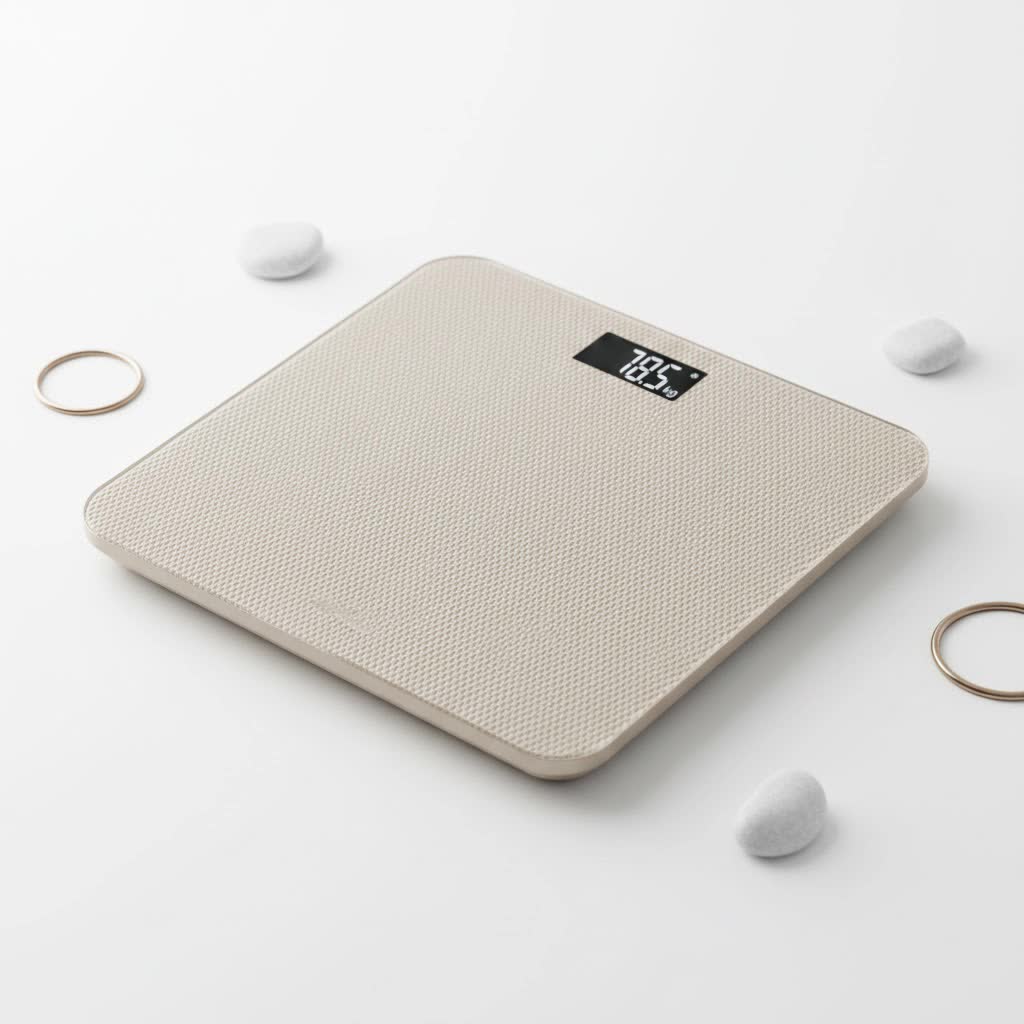
Imagine stepping onto a sleek device each morning, and within seconds, your weight, body fat percentage, muscle mass, and more are automatically logged and analyzed alongside your activity and sleep data from your Apple Watch. That’s the seamless experience smart scales offer when paired with Apple Health. It’s a game-changer for anyone committed to a truly holistic wellness journey.
Why Sync Your Smart Scale with Apple Health?
Connecting your smart scale to Apple Health transforms raw data into actionable insights, providing a singular, comprehensive view of your well-being.
Seamless Data Centralization
|
Our Picks for the Best Smart Scale in 2026
As an Amazon Associate I earn from qualifying purchases.
|
||
| Num | Product | Action |
|---|---|---|
| 1 | Wyze Scale Ultra, Smart Scale with 4.3\" Color Display, Digital Bathroom Scale for Body Weight BMI Muscle Mass Composition, Wi-Fi & Bluetooth Body Fat Scale with Heart Rate, 400 lbs (Black) |

|
| 2 | GE Scale for Body Weight, Body Fat, BMI, Muscle Mass, Smart Bathroom Scales with 14 Body Composition Metrics with Large Display, Accurate Bluetooth Weighing Machine with Fitness App, 400 lbs |
|
| 3 | WITHINGS Body Smart - Accurate Scale for Body Weight and Fat Percentage, Body Composition Wi-Fi and Bluetooth Weight Scale, Baby Weight Scale, Smart Scale Apple Health Compatible, Bathroom Scale |
|
| 4 | Ovutek Smart Scale for Body Weight, Professional Bathroom Digital Scale with BMI, Body Fat, Muscle Mass, Most Accurate to 0.05lb, Large Display High Accurate Body Composition Machine with Fitness App |
|
| 5 | Alcedo Smart Body Fat Scale, Digital Scale with BMI, Fat Percentage, Muscle Mass, Color-Changing with Weight Variation, 400 lb, Bluetooth |
|
| 6 | Etekcity Smart Scale for Body Weight, FSA&HSA Eligible, Bathroom Digital Weighing Scale with BMI, Body Fat, Muscle Mass, Accurate Bluetooth Home User Health Equipment Sync Apps |
|
| 7 | Etekcity FSA&HSA Eligible Smart Scale for Body Weight Fat, Digital Bathroom Weighing Machine for Accurate BMI Muscle Mass Composition, Home Use Apple Health Compatible Fitness Equipment |
|
| 8 | Etekcity Upgraded Smart Scale for Body Weight, FSA&HSA Eligible, Bathroom Digital Scale with BMI, Body Fat, Muscle Mass, 13 Metrics with a Large Display, Support Offline Mode and Apps Connection |
|
| 9 | RENPHO Smart Scale for Body Weight, FSA&HSA Eligible, Digital Bathroom Scale BMI Weighing Bluetooth Body Fat Scale, Body Composition Monitor Health Analyzer with Smartphone App, 400 lbs - Elis 1 |
|
| 10 | GE Smart Scale for Body Weight: 8-Electrode Digital Bathroom Scale for Weight Fat BMI Muscle Mass Full Body Composition Analyzer 27 Measurements Bluetooth Highly Accurate Weighing Machine 400lb Black |
|
Apple Health acts as the ultimate digital health hub on your iPhone. When your smart scale syncs with it, all your body composition data—from weight to body fat percentage—flows directly into this central repository. This means you no more manual logging of metrics across different apps. The HealthKit framework, Apple’s powerful API, allows compatible apps to securely read and write specific health data with your permission, creating a cohesive and up-to-date health record.
Comprehensive Health Overview
Your body metrics don’t exist in a vacuum. By integrating your smart scale data with Apple Health, you can see how changes in your body composition relate to your activity levels from your Apple Watch, your sleep patterns, and even your nutritional intake from other health apps. This integrated view helps you identify trends and make more informed decisions about your lifestyle.
Automated Tracking and Trend Analysis
One of the biggest advantages is automation. Forget jotting down numbers in a notebook or constantly switching between apps. A smart scale automatically records and updates your progress in Apple Health. This consistent, historical data allows you to easily visualize trends over weeks, months, or even years, offering a clear picture of your long-term progress and areas for improvement.
Personalized Insights for Targeted Goals
When all your health data lives in one place, Apple Health can help you analyze trends, set realistic goals, and even receive personalized recommendations. Understanding your body composition—not just your overall weight—empowers you to tailor your workouts and diet plans more effectively. For instance, if your muscle mass is increasing while your weight remains stable, you know your fitness routine is working, even if the scale doesn’t show a drastic drop in numbers.
Key Features to Look for in an Apple Health Compatible Smart Scale
Choosing the right smart scale is crucial for a successful Apple Health integration. Here’s what to consider:
Accurate and Comprehensive Body Metrics
A truly smart scale goes far beyond just displaying your weight. Look for models that can precisely measure a range of body composition metrics, including:
- Weight and BMI (Body Mass Index): Fundamental indicators.
- Body Fat Percentage: Crucial for understanding overall health.
- Muscle Mass: Essential for metabolism and strength.
- Water Percentage: Indicates hydration levels.
- Bone Density: Important for long-term skeletal health.
- Visceral Fat: Fat around organs, a key health risk indicator.
Some premium smart scales also offer advanced metrics like heart rate, basal metabolic rate (BMR), and even vascular age, providing an even deeper dive into your health status.
Connectivity: Bluetooth vs. Wi-Fi
Most smart scales connect via Bluetooth or Wi-Fi.
- Bluetooth-only scales require your iPhone to be within range during your weigh-in to sync data. This is often more budget-friendly.
- Wi-Fi enabled scales offer greater convenience, as they can send your measurements to their companion app (and subsequently to Apple Health) automatically, even if your phone isn’t nearby. This ensures consistent data logging without extra effort. For seamless, hands-free tracking, Wi-Fi is generally preferred.
User-Friendly Companion App
Before data hits Apple Health, it usually goes through the scale’s dedicated companion app (e.g., Withings Health Mate, EufyLife, Renpho Health). A good app should be intuitive, easy to navigate, and provide clear interpretations of your metrics. It’s where you’ll set up your profile, manage settings, and sometimes get more detailed insights before the summarized data appears in Apple Health.
Multi-User Support and Special Modes
If you’re sharing your health journey with family members, multi-user recognition is a must-have. Many scales automatically identify different users, maintaining separate profiles and ensuring everyone’s data is accurate and private. Additionally, look for special modes for athletes (which adjust BIA calculations for higher muscle mass), pregnancy, or even baby weighing modes, offering versatility for different life stages.
Design, Durability, and Battery Life
A smart scale should blend seamlessly into your home. Consider its design, the materials used, and its overall durability. Long battery life is also a significant plus, reducing the frequency of recharging or battery replacement. Many modern scales offer excellent battery performance, sometimes lasting for months on a single charge or set of batteries.
Top Smart Scales That Seamlessly Integrate with Apple Health
While specific models and their features evolve, several brands consistently lead the pack in offering robust Apple Health integration.
Withings scales, such as the Body Smart and Body Comp, are frequently cited as gold standards for Apple Health integration. Their Health Mate app is highly regarded for its detailed charts and reliable syncing, often supporting a wide array of metrics including body composition and even cardiovascular insights. Withings scales are known for their precision and comprehensive data tracking, making them a top choice for users seeking deep health insights.
Eufy Smart Scales (like the P2 or P3 models) offer a compelling balance of affordability and extensive features, often tracking 14-16 body composition measurements. They provide a user-friendly app that effortlessly syncs with Apple Health.
Other popular options include Renpho Smart Scales, known for their user-friendly app and extensive metric tracking, and Homedics Luxe Smart Scales, which combine sleek design with advanced body composition analysis. Brands like Etekcity and Wyze also offer reliable and budget-friendly smart scales that integrate well with Apple Health.
Ultimately, the best smart scale for you will depend on your specific needs, desired metrics, and budget. However, prioritizing robust Apple Health integration across any brand will ensure your data contributes to your centralized health overview.
How to Connect Your Smart Scale to Apple Health: A Step-by-Step Guide
Getting your smart scale to communicate with Apple Health is usually a straightforward process. Here’s how:
- Download the Companion App: First, download the dedicated app for your smart scale from the App Store (e.g., Withings Health Mate, EufyLife, Qardio, Garmin Connect).
- Set Up and Pair Your Scale: Follow the in-app instructions to set up your profile and pair your smart scale via Bluetooth or Wi-Fi. Make sure your phone’s Bluetooth is on, or your scale is connected to your home Wi-Fi network.
- Enable Apple Health Integration: Once your scale is paired and working with its own app, navigate to the settings or profile section within the companion app. Look for an option like “Apple Health,” “HealthKit,” or “Third-Party Apps.”
- Grant Permissions: Tap on the Apple Health integration option. You’ll be prompted to grant permission for your scale’s app to write specific data types (such as Body Mass, Body Fat Percentage, Lean Body Mass, etc.) to Apple Health. Ensure you enable all relevant data categories you wish to track.
- Perform Your First Weigh-In: Step on your smart scale. After the measurement is complete and displayed on the scale, the data will automatically sync to its companion app and then push to your Apple Health app. You can verify this by opening the Apple Health app, navigating to “Browse,” and checking the relevant health categories (e.g., “Body Measurements”).
“Connecting your smart scale to Apple Health is like giving your iPhone a personal health assistant,” says Dr. Anya Sharma, a leading data integration specialist. “It streamlines your data, making it far more powerful for understanding your body’s unique story.”
Maximizing Your Health Data: Tips for Consistent and Accurate Readings
To get the most out of your smart scale and Apple Health integration, consistency and proper usage are key.
- Placement Matters: Always place your smart scale on a hard, flat surface. Carpets or uneven floors can significantly affect accuracy.
- Weigh Consistently: For the most reliable trend data, weigh yourself at the same time each day, preferably in the morning before breakfast and after using the restroom. This minimizes fluctuations due to food, drink, or activity.
- Understand BIA (Bioelectrical Impedance Analysis): Most smart scales use BIA to estimate body composition. This technology sends a small electrical current through your body. Hydration levels can influence these readings, so weighing yourself when consistently hydrated (e.g., after your morning routine) will yield more consistent results.
- Regular Calibration: Some manufacturers recommend occasionally calibrating your scale. Check your user manual for specific instructions.
- Review Privacy Settings: Apple Health provides robust privacy controls. Regularly review which apps have permission to access your health data and adjust them as needed to ensure your information is shared only where you intend.
The Future of Health Tracking: What’s Next for Smart Scales and Apple Health?
The world of smart health devices is continuously evolving. We can anticipate even more sophisticated smart scales that offer deeper insights into cardiovascular health, hydration, and metabolic markers, all seamlessly integrating with Apple Health. As AI and machine learning become more advanced, the personalized recommendations and predictive health insights provided through Apple Health will undoubtedly become even more precise and tailored to individual needs. Your smart scale will likely become an even more integral part of a truly proactive health management system.
Frequently Asked Questions
Q: Can all smart scales sync with Apple Health?
A: No, not all smart scales are designed to sync with Apple Health. It’s crucial to check the product specifications and look for explicit mentions of “Apple Health integration,” “HealthKit compatibility,” or “syncs with Apple Health” before purchasing.
Q: What if my smart scale data doesn’t sync to Apple Health?
A: First, ensure your scale is properly paired with its companion app, and the app has the necessary permissions granted in your iPhone’s Apple Health settings (under “Sources” or “Apps”). Check your phone’s Bluetooth and Wi-Fi connections, and make sure both the scale and app are updated to their latest versions. Sometimes, a simple restart of your iPhone or the scale’s app can resolve minor syncing issues.
Q: Is a Wi-Fi scale better than Bluetooth for Apple Health integration?
A: For seamless, hands-free integration, Wi-Fi scales are generally preferred. They can upload data to the cloud (and then to Apple Health) even if your phone isn’t nearby. Bluetooth scales require your phone to be in range during your weigh-in. Both work, but Wi-Fi offers greater convenience.
Q: Do smart scales track heart rate in Apple Health?
A: Some advanced smart scales do track heart rate and can sync this data to Apple Health. However, this is not a universal feature, so check the specific model’s capabilities if heart rate tracking is important to you.
Q: How accurate are smart scale body composition readings?
A: Smart scales use Bioelectrical Impedance Analysis (BIA) to estimate body composition. While convenient for tracking trends over time, BIA readings can be influenced by factors like hydration, skin temperature, and recent activity. They are generally considered less precise than clinical methods like DEXA scans but are excellent for monitoring personal progress and trends. For consistency, weigh yourself under similar conditions each time.
Embark on Your Smarter Health Journey
Integrating a smart scale that works with Apple Health into your daily routine is a proactive step towards a more informed and empowered wellness journey. By centralizing your body metrics, automating tracking, and providing a holistic view of your health data, you gain unparalleled insights into your body’s unique story. It’s about understanding what truly drives your progress and making informed decisions that lead to lasting health improvements. So, take the leap, embrace the technology, and start building a smarter, healthier you today.
