Stepping on a scale used to be a simple, sometimes disheartening, number game. But thanks to the marvels of modern technology, those days are long gone. Today’s smart scales offer a window into your body’s intricate composition, moving far beyond just your weight to reveal crucial metrics like body fat percentage. As a long-time expert in smart scales and health tracking, and the primary content creator for Zhoez.com, I’m here to demystify how these incredible devices work and how they can empower your health journey.
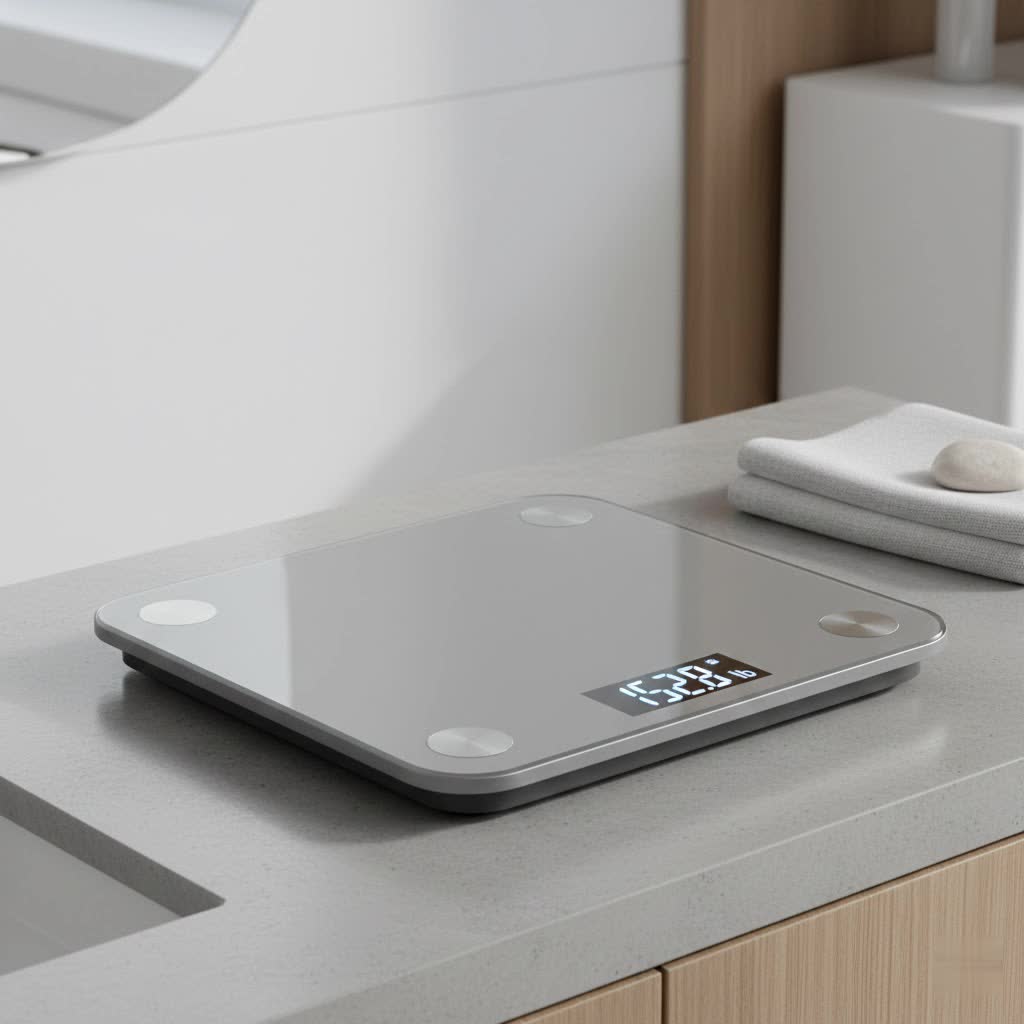
Understanding your body fat percentage is a game-changer for anyone serious about their wellness. It provides a more holistic view of your health than weight alone, helping you track real progress towards your fitness goals.
How Do Smart Scales Actually Measure Body Fat? The Science Unveiled
The magic behind a smart scale’s ability to estimate your body fat lies in a clever technology called Bioelectrical Impedance Analysis, or BIA. You might wonder, “How does simply standing on a scale tell me my body fat?” It’s a fantastic question, and the answer is surprisingly elegant.
Bioelectrical Impedance Analysis (BIA) Explained
|
Our Picks for the Best Smart Scale in 2026
As an Amazon Associate I earn from qualifying purchases.
|
||
| Num | Product | Action |
|---|---|---|
| 1 | RENPHO Smart Scale for Body Weight, FSA&HSA Eligible, Digital Bathroom Scale BMI Weighing Bluetooth Body Fat Scale, Body Composition Monitor Health Analyzer with Smartphone App, 400 lbs - Elis 1 |

|
| 2 | Etekcity Smart Scale for Body Weight, FSA&HSA Eligible, Bathroom Digital Weighing Scale with BMI, Body Fat, Muscle Mass, Accurate Bluetooth Home User Health Equipment Sync Apps |
|
| 3 | Etekcity FSA&HSA Eligible Smart Scale for Body Weight Fat, Digital Bathroom Weighing Machine for Accurate BMI Muscle Mass Composition, Home Use Apple Health Compatible Fitness Equipment |
|
| 4 | Etekcity Upgraded Smart Scale for Body Weight, FSA&HSA Eligible, Bathroom Digital Scale with BMI, Body Fat, Muscle Mass, 13 Metrics with a Large Display, Support Offline Mode and Apps Connection |
|
| 5 | Ovutek Smart Scale for Body Weight, Professional Bathroom Digital Scale with BMI, Body Fat, Muscle Mass, Most Accurate to 0.05lb, Large Display High Accurate Body Composition Machine with Fitness App |
|
| 6 | GE Scale for Body Weight, Body Fat, BMI, Muscle Mass, Smart Bathroom Scales with 14 Body Composition Metrics with Large Display, Accurate Bluetooth Weighing Machine with Fitness App, 400 lbs |
|
| 7 | GE Smart Scale for Body Weight: 8-Electrode Digital Bathroom Scale for Weight Fat BMI Muscle Mass Full Body Composition Analyzer 27 Measurements Bluetooth Highly Accurate Weighing Machine 400lb Black |
|
| 8 | WITHINGS Body Smart - Accurate Scale for Body Weight and Fat Percentage, Body Composition Wi-Fi and Bluetooth Weight Scale, Baby Weight Scale, Smart Scale Apple Health Compatible, Bathroom Scale |
|
| 9 | Wyze Scale Ultra, Smart Scale with 4.3\" Color Display, Digital Bathroom Scale for Body Weight BMI Muscle Mass Composition, Wi-Fi & Bluetooth Body Fat Scale with Heart Rate, 400 lbs (Black) |
|
| 10 | Alcedo Smart Body Fat Scale, Digital Scale with BMI, Fat Percentage, Muscle Mass, Color-Changing with Weight Variation, 400 lb, Bluetooth |
|
When you step barefoot onto a smart scale, it sends a tiny, completely safe, and unnoticeable electrical current through your body. Don’t worry, you won’t feel a thing! This current travels through your tissues, and the scale measures the “impedance” – or resistance – it encounters. Here’s the key: different tissues in your body have different water contents. Muscle, for example, is rich in water and acts like a good conductor for electricity. Fat tissue, on the other hand, contains much less water, offering more resistance to the electrical current. By measuring how quickly and easily that current travels, the smart scale’s sophisticated algorithms, combined with your self-reported data like age, height, and gender, can estimate your body composition, including your body fat percentage.
What Factors Can Influence BIA Accuracy?
While BIA is a remarkably convenient at-home method, it’s important to understand that its accuracy can be influenced by several factors. Things like your hydration levels (being dehydrated can make your body fat percentage appear higher), the time of day you weigh yourself, recent meals, intense exercise, and even foot placement on the scale can all play a role. This is why consistency is paramount when using a smart scale for body fat tracking – it’s more about observing trends over time than getting a single, perfectly precise snapshot.
As Dr. Anya Sharma, a leading bio-nutritionist, often advises, “Think of your smart scale as your personal trend tracker, not a medical diagnostic tool. Its power lies in showing you patterns and motivating consistent healthy habits, not in isolated, clinical-level precision.”
Why Tracking Body Fat Matters Beyond the Number on the Scale
Many of us have been conditioned to focus solely on our weight. However, weight is just one piece of the puzzle. Two people can weigh the exact same amount but have vastly different body compositions and, consequently, different health profiles.
Beyond Just Weight: Understanding Body Composition
A smart scale provides a comprehensive breakdown of your body composition, detailing the percentages of fat, muscle, bone, and water in your body. This nuanced data helps you understand what those pounds are actually made of. For instance, if you’re hitting the gym and building muscle, your weight might stay the same or even increase, but your body fat percentage could be decreasing – a sign of fantastic progress that a traditional scale would miss! This insight helps you make informed decisions about your diet and exercise routines.
Health Implications of Body Fat Percentage
Maintaining a healthy body fat percentage is crucial for overall well-being. Excessive body fat, particularly visceral fat (the kind that accumulates around your organs), is linked to a higher risk of chronic health conditions such as heart disease and type 2 diabetes. Conversely, having too little body fat can also lead to health problems. By tracking this metric, you gain a powerful tool to manage your risk factors and work towards a healthier, more balanced body.
Getting the Most Accurate Body Fat Readings from Your Smart Scale
To maximize the reliability of your smart scale’s body fat readings, cultivating consistent habits is key.
Consistency is Key for Reliable Data
For the most meaningful data, aim to use your smart scale at the same time each day, under similar conditions. Many experts recommend stepping on the scale first thing in the morning, before eating or drinking anything, and after using the restroom. This helps minimize variables like hydration levels and recent food intake that can skew BIA readings.
Tips for More Reliable Measurements:
- Same Time, Every Day: Consistency is your best friend here.
- Bare Feet: Ensure your feet are clean and make good contact with the scale’s sensors.
- Stable Surface: Place your scale on a hard, flat surface, not on carpet, to prevent inaccurate readings.
- Hydration: Maintain consistent hydration levels from day to day.
- Avoid Immediately After Exercise or Showering: Both can temporarily affect your body’s water content and thus your BIA results.
What Other Metrics Do Smart Scales Track? Beyond Body Fat
Smart scales are veritable mini-health labs. While body fat percentage is a highlight, they typically offer a suite of other valuable metrics, painting an even more complete picture of your health.
Here are some common metrics you can expect:
- Weight: Of course, the foundational metric.
- Body Mass Index (BMI): A ratio of your weight to height, offering a general health indicator.
- Muscle Mass: Essential for strength, metabolism, and overall physical function.
- Bone Mass: Important for bone health and preventing osteoporosis.
- Body Water Percentage: Indicates your hydration status, crucial for countless bodily functions.
- Visceral Fat: The fat surrounding your internal organs, a key indicator of metabolic health risk.
- Basal Metabolic Rate (BMR): The number of calories your body burns at rest.
- Heart Rate: Some advanced models can even track your heart rate through your feet.
These metrics, when tracked over time, provide incredible insights into how your lifestyle choices are impacting your body.
Connecting Your Smart Scale to Health Apps and Ecosystems
One of the most powerful advantages of smart scales is their ability to integrate seamlessly with various health and fitness applications. Most smart scales connect via Bluetooth or Wi-Fi to a dedicated app on your smartphone, and can then sync with popular third-party platforms like Apple Health, Google Fit, Fitbit, and Samsung Health.
This connectivity means your data is automatically logged, charted, and stored in one convenient place. You can visualize trends, set goals, and see how different metrics evolve over weeks, months, or even years. This integration empowers you to make data-driven decisions about your fitness regimen and diet, enhancing your motivation and accountability on your health journey.
Choosing the Right Smart Scale for Body Fat Tracking
With so many options available, selecting the perfect smart scale can feel overwhelming. Here’s what to look for when shopping:
- Number of Metrics: Decide which body composition metrics are most important to you. Many scales track 10-15 metrics.
- Connectivity: Ensure it offers reliable Bluetooth or Wi-Fi connectivity and integrates with your preferred health apps.
- Multi-User Support: If multiple family members will use it, look for a scale with individual user profiles.
- Display and App Interface: A clear, easy-to-read display and an intuitive app are crucial for a good user experience.
- Accuracy (Relative): While no smart scale is 100% precise compared to clinical methods, look for models with good reviews regarding consistency and improved BIA technology (e.g., multi-frequency BIA for segmental analysis).
- Durability and Battery Life: Consider the build quality and how often you’ll need to charge or replace batteries.
Frequently Asked Questions About Smart Scale Body Fat Measurement
How accurate are smart scales for body fat?
Smart scales provide a reliable estimate of body fat percentage and are excellent for tracking trends over time. However, they are not as precise as clinical-grade methods like DEXA scans, and factors like hydration can influence their readings.
What is a healthy body fat percentage?
Healthy body fat percentages vary based on age, gender, and activity level. Generally, for women, a healthy range is often considered 20-30%, and for men, 10-20%. Consult a healthcare professional for personalized recommendations.
Can I trust a smart scale for medical advice?
No, smart scales are not medical devices and should not be used to diagnose or treat any medical conditions. The data they provide is for informational and motivational purposes to help you track your progress. Always consult with a doctor or healthcare professional for medical advice.
How often should I measure my body fat with a smart scale?
For tracking trends, measuring once a day or a few times a week, always under consistent conditions, is generally sufficient. Daily measurements can help you see subtle shifts and stay motivated.
What’s the difference between body fat and BMI?
BMI (Body Mass Index) is a simple ratio of your weight to your height, used to categorize general weight ranges. Body fat percentage directly measures the amount of fat in your body relative to your total mass, offering a more detailed look at your body composition. A high BMI doesn’t always mean high body fat, especially for very muscular individuals.
Your Journey to Better Health Starts Here
Smart scales have revolutionized personal health monitoring, offering far more than just a number on the display. By embracing the power of body composition analysis, especially tracking your body fat percentage, you gain invaluable insights to guide your fitness journey. These devices empower you to understand your body better, set smarter goals, and stay motivated as you work towards a healthier you.
At Zhoez.com, we believe that informed choices lead to lasting health. So, step onto a smart scale, connect with your data, and take the reins of your well-being. It’s time to unlock a deeper understanding of your body and celebrate every step of your progress!
