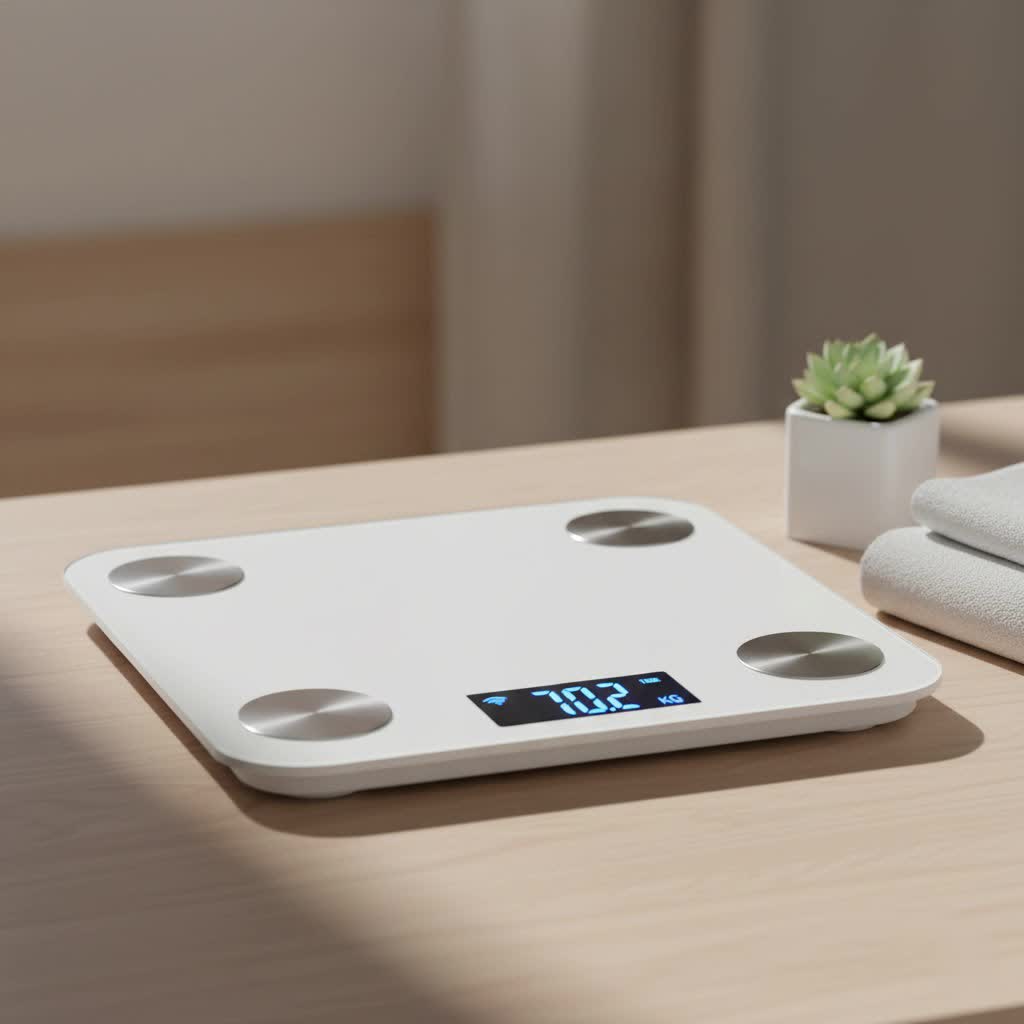
Welcome to Zhoez.com, where we empower you to take control of your health with cutting-edge technology and expert insights. In today’s fast-paced world, understanding your body goes far beyond just a number on the traditional bathroom scale. Integrating a smart scale with Samsung Health transforms your health tracking from a simple measurement into a comprehensive, insightful journey. As someone who has spent over a decade immersed in smart scale technology and its applications, I’ve seen firsthand how this synergy can revolutionize personal wellness. A smart scale, seamlessly connected to Samsung Health, provides a holistic view of your body’s composition, helping you monitor trends, set achievable goals, and truly understand what’s happening beneath the surface.
Why Connect Your Smart Scale to Samsung Health?
When you connect your smart scale to Samsung Health, you’re not just logging data; you’re building a detailed picture of your well-being. This integration moves you from sporadic checks to consistent, informed self-assessment, turning raw numbers into actionable health insights.
The Power of Integrated Data
|
Our Picks for the Best Smart Scale in 2026
As an Amazon Associate I earn from qualifying purchases.
|
||
| Num | Product | Action |
|---|---|---|
| 1 | Etekcity FSA&HSA Eligible Smart Scale for Body Weight Fat, Digital Bathroom Weighing Machine for Accurate BMI Muscle Mass Composition, Home Use Apple Health Compatible Fitness Equipment |

|
| 2 | Alcedo Smart Body Fat Scale, Digital Scale with BMI, Fat Percentage, Muscle Mass, Color-Changing with Weight Variation, 400 lb, Bluetooth |
|
| 3 | Etekcity Smart Scale for Body Weight, FSA&HSA Eligible, Bathroom Digital Weighing Scale with BMI, Body Fat, Muscle Mass, Accurate Bluetooth Home User Health Equipment Sync Apps |
|
| 4 | GE Scale for Body Weight, Body Fat, BMI, Muscle Mass, Smart Bathroom Scales with 14 Body Composition Metrics with Large Display, Accurate Bluetooth Weighing Machine with Fitness App, 400 lbs |
|
| 5 | Ovutek Smart Scale for Body Weight, Professional Bathroom Digital Scale with BMI, Body Fat, Muscle Mass, Most Accurate to 0.05lb, Large Display High Accurate Body Composition Machine with Fitness App |
|
| 6 | RENPHO Smart Scale for Body Weight, FSA&HSA Eligible, Digital Bathroom Scale BMI Weighing Bluetooth Body Fat Scale, Body Composition Monitor Health Analyzer with Smartphone App, 400 lbs - Elis 1 |
|
| 7 | GE Smart Scale for Body Weight: 8-Electrode Digital Bathroom Scale for Weight Fat BMI Muscle Mass Full Body Composition Analyzer 27 Measurements Bluetooth Highly Accurate Weighing Machine 400lb Black |
|
| 8 | Etekcity Upgraded Smart Scale for Body Weight, FSA&HSA Eligible, Bathroom Digital Scale with BMI, Body Fat, Muscle Mass, 13 Metrics with a Large Display, Support Offline Mode and Apps Connection |
|
| 9 | WITHINGS Body Smart - Accurate Scale for Body Weight and Fat Percentage, Body Composition Wi-Fi and Bluetooth Weight Scale, Baby Weight Scale, Smart Scale Apple Health Compatible, Bathroom Scale |
|
| 10 | Wyze Scale Ultra, Smart Scale with 4.3\" Color Display, Digital Bathroom Scale for Body Weight BMI Muscle Mass Composition, Wi-Fi & Bluetooth Body Fat Scale with Heart Rate, 400 lbs (Black) |
|
Imagine all your health metrics, from daily steps and sleep patterns to heart rate and dietary intake, consolidated in one intuitive app. That’s the power of integrating your smart scale with Samsung Health. It offers a singular hub where your weight and body composition data automatically syncs, allowing you to observe long-term trends and correlations that might otherwise go unnoticed. This holistic view helps you identify patterns, understand how different lifestyle choices impact your body, and make more informed decisions about your diet and exercise. For example, you can see how changes in your workout routine affect muscle mass or how dietary adjustments influence your body fat percentage, all within the familiar interface of Samsung Health. This integration truly empowers you to see your progress, celebrate small victories, and stay motivated on your path to better health.
Beyond Just Weight: Understanding Body Composition
A key advantage of a smart scale is its ability to measure far more than just your total body weight. These devices utilize Bioelectrical Impedance Analysis (BIA) to provide a detailed breakdown of your body composition, including metrics such as Body Mass Index (BMI), body fat percentage, muscle mass, bone mass, and body water percentage. Some advanced models even track visceral fat, skeletal muscle, protein levels, Basal Metabolic Rate (BMR), and metabolic age. Integrating these metrics into Samsung Health allows you to track changes in each component over time. Losing weight is great, but understanding if that weight loss is fat or muscle is crucial for effective health management. By monitoring these detailed metrics, you can tailor your fitness and nutrition strategies for optimal results, focusing on building muscle, reducing fat, and improving overall bodily health, rather than just chasing a number on the scale.
How to Seamlessly Connect Your Smart Scale to Samsung Health
The thought of setting up new tech can sometimes feel daunting, but connecting your smart scale to Samsung Health is typically a straightforward process designed to get you tracking quickly.
Checking for Compatibility: What to Look For
The first step in achieving seamless data flow is ensuring your smart scale is compatible with Samsung Health. While Samsung itself doesn’t produce its own line of smart scales, many third-party brands offer excellent integration. Look for scales that explicitly state compatibility with Samsung Health, Apple Health, or Google Fit, as these often indicate a broader integration capability. Most smart scales connect via Bluetooth, while some advanced models also offer Wi-Fi connectivity for more direct syncing.
A reliable method to check for compatible devices is to open your Samsung Health app, navigate to the “Body Composition” section, tap the three dots in the top corner, and select “Accessories.” While this list can sometimes be limited or not fully up-to-date, it’s a good starting point for official recommendations. Brands like Withings, Renpho, and Xiaomi Mi Body Composition Scale 2 are frequently cited by users as having good integration with Samsung Health, often through their own proprietary apps which then push data to Samsung Health.
Step-by-Step Connection Guide
Once you have a compatible smart scale, connecting it to Samsung Health usually follows a similar pattern:
- Download the Scale’s App: Start by downloading the smart scale’s official app from your device’s app store (e.g., Withings Health Mate, Renpho Health, Mi Fit).
- Set Up Your Scale: Follow the in-app instructions to set up your smart scale, pair it via Bluetooth to your smartphone, and create your user profile.
- Enable Data Sharing: Within the smart scale’s app settings, look for an option to connect or share data with other health platforms. You should find “Samsung Health” listed among the options. Grant the necessary permissions for the scale’s app to send data to Samsung Health.
- Verify in Samsung Health: Open your Samsung Health app. In the “Body Composition” section, you should start seeing data from your smart scale appear automatically after your next weigh-in. You might need to check the “Data permissions” within Samsung Health’s settings to ensure that the scale’s app has permission to write data like weight and body fat.
Pro Tip from Zhoez.com: For many smart scales, especially those relying solely on Bluetooth, you might need to have the scale’s companion app open on your phone while you step on the scale to ensure the data successfully syncs to both the scale’s app and subsequently to Samsung Health. This small step can make a big difference in the consistency of your data logging.
Choosing the Right Smart Scale for Your Samsung Health Ecosystem
Selecting the ideal smart scale can feel like a maze with so many options available. However, focusing on specific features crucial for Samsung Health integration will simplify your choice and ensure maximum benefit.
Essential Features for Samsung Health Integration
When browsing for a smart scale, prioritize these features for the best experience with Samsung Health:
- Reliable Bluetooth/Wi-Fi Connectivity: Bluetooth is standard for connecting to your phone, but Wi-Fi enabled scales can sometimes offer more seamless syncing by pushing data directly to the cloud, which then integrates with Samsung Health.
- Comprehensive Body Composition Metrics: Look for scales that measure beyond just weight. Key metrics include BMI, body fat percentage, muscle mass, and bone mass. More advanced scales offer visceral fat, body water, and metabolic age, providing a richer data set for Samsung Health.
- User-Friendly Companion App: The scale’s own app should be intuitive, easy to navigate, and, most importantly, have a clear integration pathway to Samsung Health. A good app will also store your data locally and show trends.
- Multiple User Profiles: If multiple family members plan to use the scale, ensure it supports individual profiles so each person’s data syncs correctly to their respective Samsung Health accounts.
- Accuracy and Consistency: While no home scale is as precise as a medical-grade DEXA scan, look for scales with positive reviews regarding accuracy and consistency of readings. Repeated, consistent measurements are more valuable than single, highly precise ones.
Popular & Reliable Choices
While I won’t endorse specific models due to rapid market changes, I can highlight brands that consistently perform well and offer robust Samsung Health integration based on extensive user feedback and expert reviews. Brands like Withings are renowned for their accurate measurements and comprehensive health ecosystems that integrate well with Samsung Health. Renpho scales are often praised for their affordability and broad compatibility, making them a popular choice for many. Xiaomi Mi Body Composition Scales also frequently appear in discussions for reliable Samsung Health syncing. When making your choice, remember that the goal is a scale that not only provides accurate data but also makes that data easily accessible and trackable within your Samsung Health app, becoming an invaluable part of your daily health routine.
Maximizing Your Health Insights with Samsung Health
Once your smart scale and Samsung Health are communicating, the real journey begins. It’s about translating those numbers into meaningful insights and ensuring your tracking is always smooth.
Interpreting Your Body Composition Data
Seeing a plethora of numbers like body fat percentage, muscle mass, and BMR can be overwhelming initially. However, these metrics are powerful tools for understanding your body beyond just the scale. For instance, a stable weight but an increasing muscle mass percentage indicates positive body recomposition – you’re gaining healthy tissue while potentially losing fat, even if the total weight remains the same. A decrease in visceral fat, which surrounds your organs, is a critical indicator of improved metabolic health. Regularly reviewing the trends in these metrics within Samsung Health provides a more accurate picture of your progress than simply focusing on weight fluctuations. Look for gradual, consistent changes over weeks and months rather than daily variations, which can be influenced by hydration, diet, and activity levels. As a Zhoez.com expert, I always advise focusing on the overall narrative your body composition data tells, rather than getting fixated on single data points.
Troubleshooting Common Sync Issues
Even with the best smart scales, you might occasionally encounter a hiccup in data syncing. Here are some common troubleshooting tips to keep your Samsung Health journey on track:
- Check Bluetooth/Wi-Fi Connection: Ensure your phone’s Bluetooth is on and your scale (if Wi-Fi enabled) is connected to your home network.
- Open the Scale’s App: As mentioned, for many Bluetooth scales, having the companion app open and running in the background during your weigh-in is crucial for data transfer.
- Review App Permissions: Go into your phone’s settings and ensure both the smart scale’s app and Samsung Health have the necessary permissions (e.g., Bluetooth, storage, health data access).
- Re-Pair Devices: If issues persist, try unpairing and then re-pairing your smart scale with its companion app, and re-establishing the connection to Samsung Health.
- Update Apps: Ensure both your smart scale’s app and Samsung Health are updated to their latest versions. Software bugs are often resolved in updates.
- Restart Devices: Sometimes, a simple restart of your smartphone and, if possible, your smart scale can resolve temporary glitches.
“Consistent data is the cornerstone of effective health tracking,” notes Dr. Anya Sharma, a leading digital health analyst. “Troubleshooting minor connectivity issues promptly ensures your progress isn’t lost and your motivation stays high.”
Frequently Asked Questions About Smart Scales and Samsung Health
Navigating the world of smart scales and health apps can spark several questions. Here are answers to some of the most common ones we hear.
Q1: Do all smart scales work with Samsung Health?
No, not all smart scales are directly compatible with Samsung Health. While many popular brands are, it’s essential to check the scale’s specifications or its companion app’s features for explicit mention of Samsung Health integration. Some scales might offer integration through third-party apps like “Health Connect” or “Health Sync,” which act as bridges between different health platforms.
Q2: What data does a smart scale sync with Samsung Health?
Most smart scales will sync your weight, Body Mass Index (BMI), and body fat percentage to Samsung Health. More advanced models can also transfer metrics like muscle mass, bone mass, body water, and visceral fat, providing a comprehensive body composition analysis within the app.
Q3: How do I ensure accurate readings from my smart scale?
For the most accurate readings, always place your smart scale on a hard, flat surface (avoid carpets). Weigh yourself at the same time each day, ideally in the morning before eating or drinking, and after using the restroom. Ensure your feet are clean, dry, and making good contact with the scale’s sensors.
Q4: Can I connect multiple smart scales to Samsung Health?
While it’s technically possible, it’s generally not recommended. Using one consistent smart scale provides more reliable trend data within Samsung Health. If you use multiple scales, differences in calibration and measurement methods could lead to inconsistent data, making long-term analysis less accurate.
Q5: What if my preferred scale isn’t directly compatible with Samsung Health?
If your smart scale doesn’t directly sync, you might be able to use a third-party app like “Health Sync” (available on Android) to bridge the data. This app can pull data from your scale’s proprietary app and push it into Samsung Health. Alternatively, some scales allow manual data export that could be entered into Samsung Health, though this defeats the purpose of automatic syncing.
Conclusion
Integrating a smart scale with Samsung Health is more than just a tech upgrade; it’s a profound step towards a more informed and proactive approach to your personal health. By seamlessly connecting these powerful tools, you unlock a wealth of data that goes beyond simple weight tracking, offering deep insights into your body’s unique composition and how it changes over time. At Zhoez.com, we believe that understanding your body’s intricate details empowers you to make smarter choices, set achievable goals, and truly take command of your well-being. Don’t let your health journey be a guessing game. Embrace the power of connected data, track your progress with precision, and embark on a path to a healthier, more confident you. Start integrating your smart scale with Samsung Health today and experience the transformative difference for yourself.
